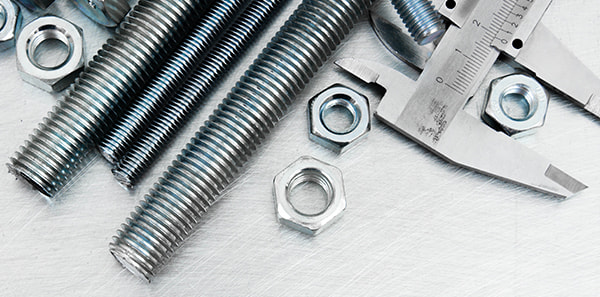

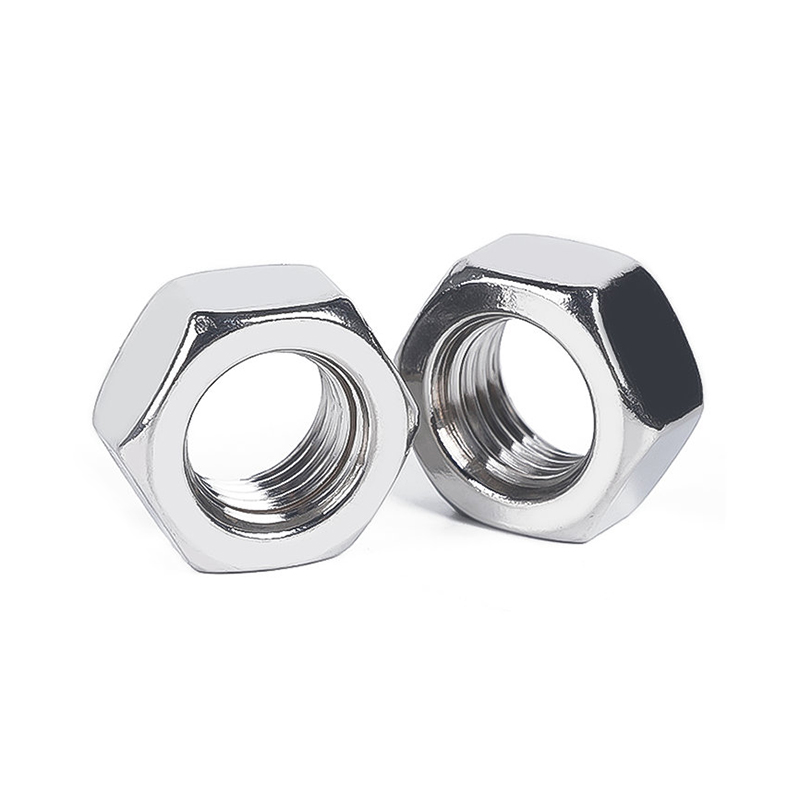
Plus-tensis immaculatam ferro hei nuces can lead to several potential risks, which may compromise the performance, safety, and longevity of the fastening system.
1. Post Stripping
Plus-tensis can cause the threads on both the stainless steel hex nut and the bolt or stud to deform, leading to thread stripping. This can prevent the nut from being properly secured and may require replacement of both components, compromising the integrity of the fastening.
2. Material vel deformatio damnum
Stainless steel is a strong material, but over-tightening can lead to plastic deformation or yielding of the nut or bolt. The material may stretch or distort, reducing the effectiveness of the fastener and potentially weakening the connection.
In applicationibus altae vires, sicut in industria aerospace vel automotiva, nimis constringendo ad defectum calamitosas ducere possunt si deformatio signanter proprietates mechanicas partium mutaverit.
3. Damnum clamping Force
Plus-tensis can distort the geometry of the stainless steel hex nut, causing it to lose its ability to properly clamp down the connected components. As a result, the connection may become loose over time, leading to potential failure or vibrations, particularly in high-stress or dynamic environments.
4. augeri periculo sequelae Galling
Thread galling, a form of wear caused by the friction between metal threads, can be aggravated by over-tightening. Immaculata chalybea prona est ad pungentia, et cum nimius torques applicatur, stamina capiunt vel laedi possunt, difficultatem in disconventu ducens et opus substitutionis componentis.
5. Art aut Fracturing
Plus-tensis may cause cracking or fracturing of the stainless steel hex nut, especially if it has any manufacturing defects or if it is made from a lower-grade stainless steel. Cracks can spread, weakening the fastener and potentially leading to a complete failure of the connection.
6. Overstressed felis
If a hex nut is over-tightened, the stress applied to the connected joint can exceed its designed tolerance. This can result in an uneven distribution of forces across the connection, potentially leading to joint failure or material fatigue over time.
7. Reducitur ROSIO Repugnantia
Nonnullis in casibus, nimis constringendo accentus corrosionem crepuit (SCC) in immaculato ferro creare potest, praesertim coram umore vel ambitu mordax. Princeps accentus formationem rimas promovere potest, quae deinde puncta pro agentibus corrosivis inservire possunt, altiore durabilitatem CLAVIS in discrimen adducunt.
8. Damnum Fastening tool
Plus-tensis may also strain the tools used to tighten the hex nuts, potentially causing damage or premature wear. If a torque wrench or impact tool is used improperly, the tool itself may fail, leading to the need for tool replacement.
9. Difficultas in Disassembly
Over-tightened nuts can become difficult or impossible to remove without causing damage. Nimis torques per institutionem applicatus potest nucem occupari vel nimiam frictionem inter nucem et stamina facere, ut disconvenientia problematica et tempus consumens efficiat.
10. Vibratio solvendi
Interestingly, dum initio nucis nimis attrectationem secuit, interdum potest figere systema laxioris vibrationis aptius facere. Nuces nimis constrictae ita stamina detorquere possunt ut non amplius apte apta sint, augens periculum nucis solvens per tempus ob vibrationes vel vires dynamicas.
To avoid these risks, it is essential to follow the manufacturer’s recommended torque specifications when tightening stainless steel hex nuts. Utens torques clavis vel torques instrumenti limitandi adiuvare potest ut recta vis applicata sit, ne nimis constringatur et adstringendi systematis integritatem servet. Regular inspections and maintenance are also important to ensure that nuts and bolts remain properly secured throughout their service life.
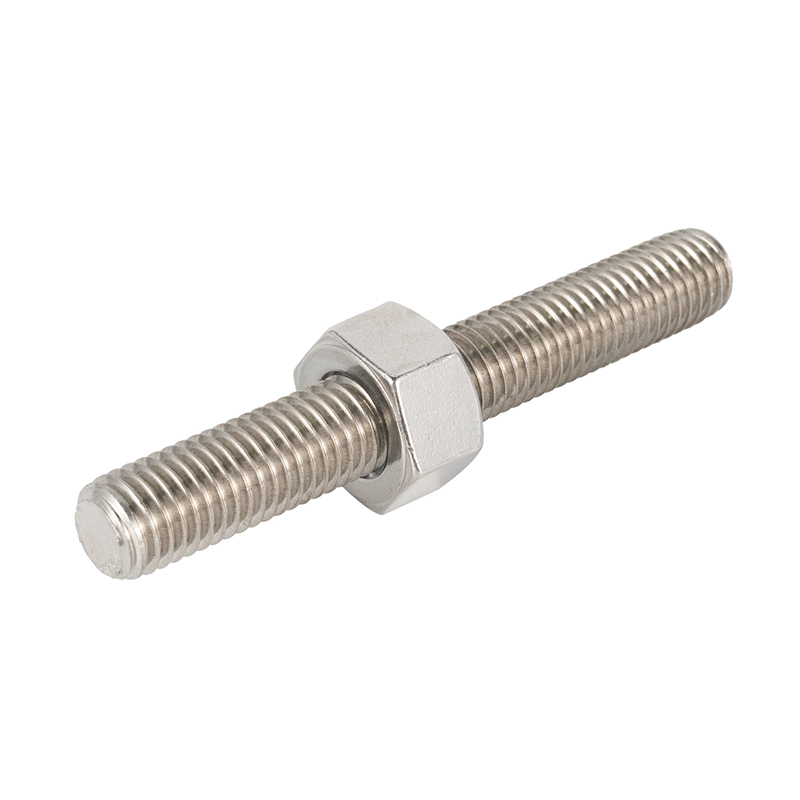 M10×300 Carbon Steel Grade 8.8 Galvanized Plene Threaded Rods
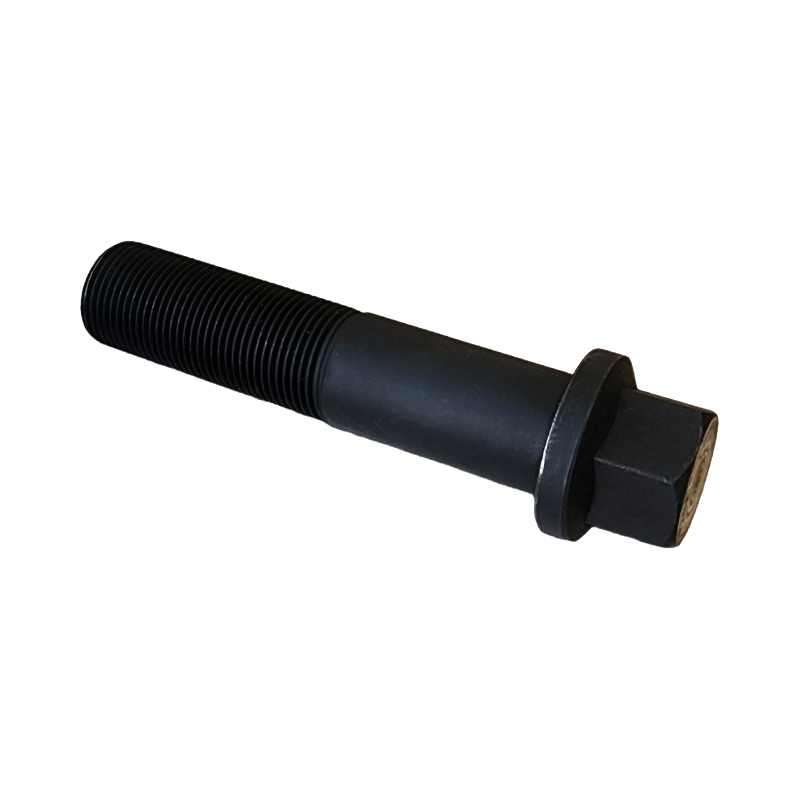 M8×100 Steel Grade 8.8 Phosphate Coated Cylinder Hex Head Flange
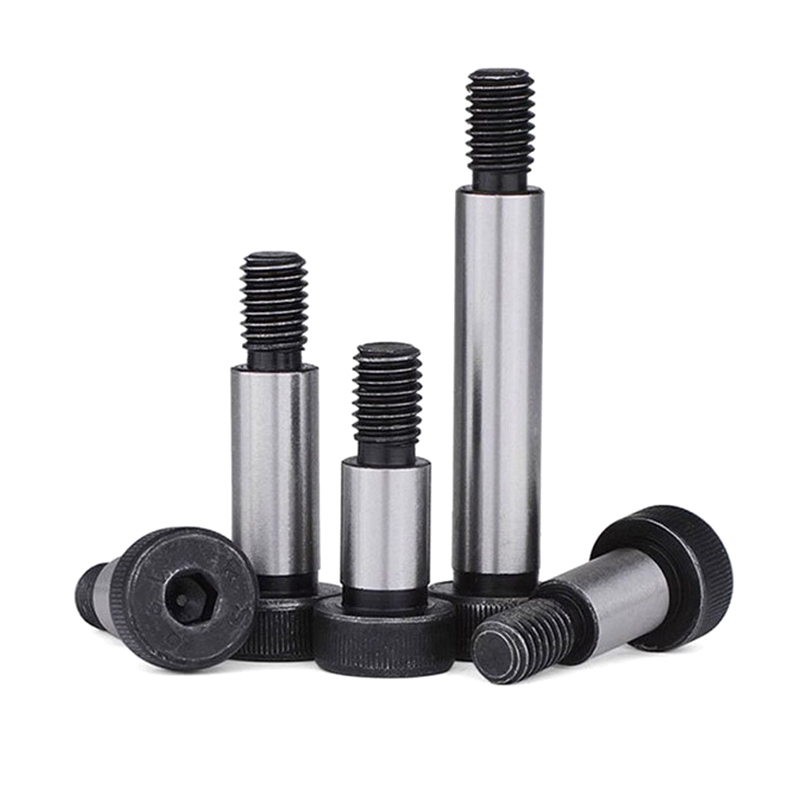 M2.5-M8 Alloy Steel Black Oxide Small Humerum Screw ISO 7379
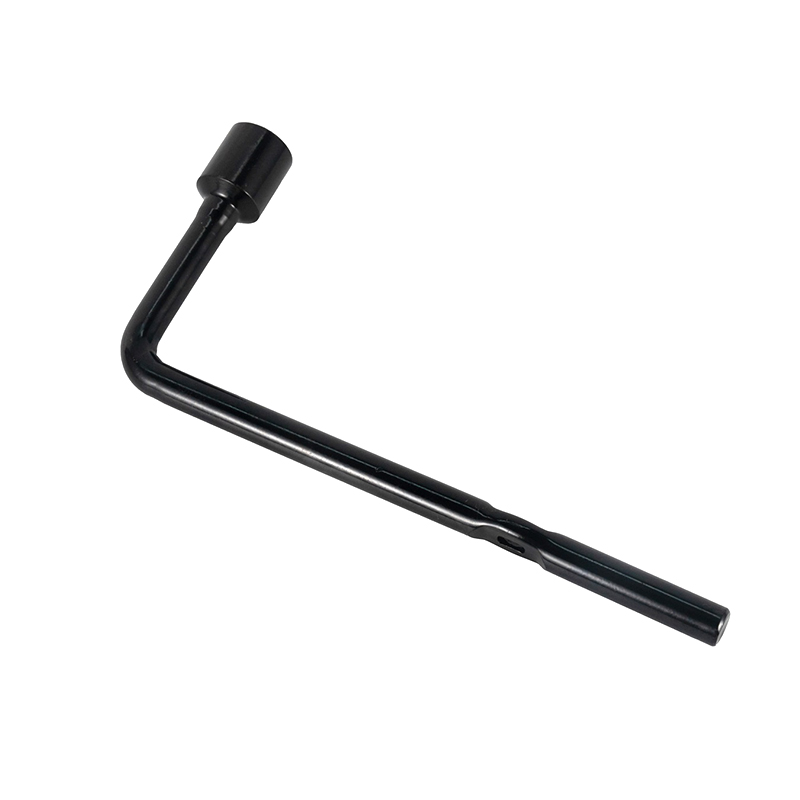 Chrome Vanadium Steel Black Oxide L-Type Hex Key Clavis ISO 2936
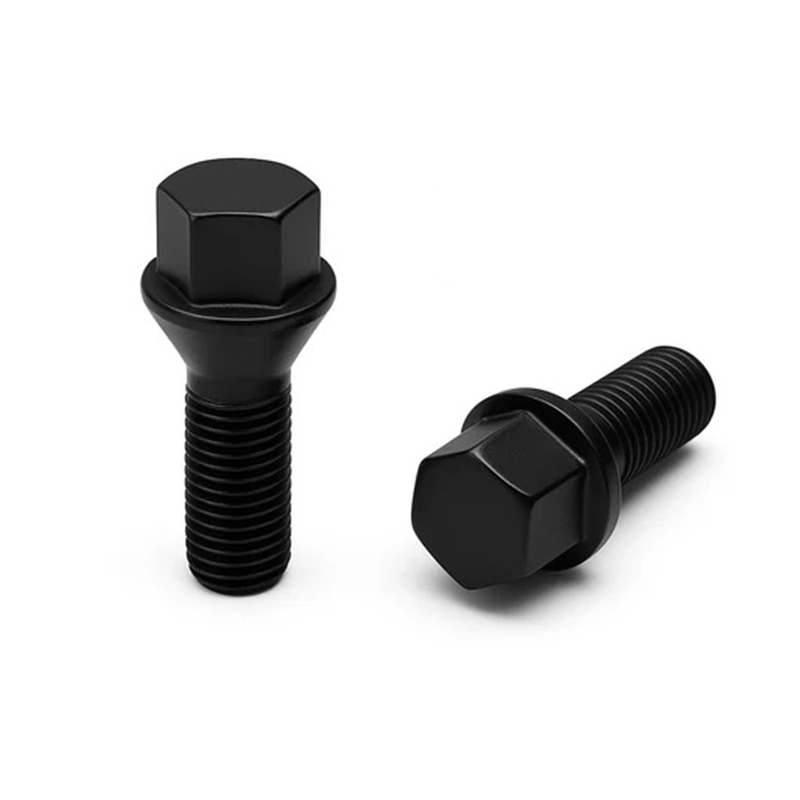 Patet Carbon Steel Flat Sedem Lug Bolt ASME B18.2.1
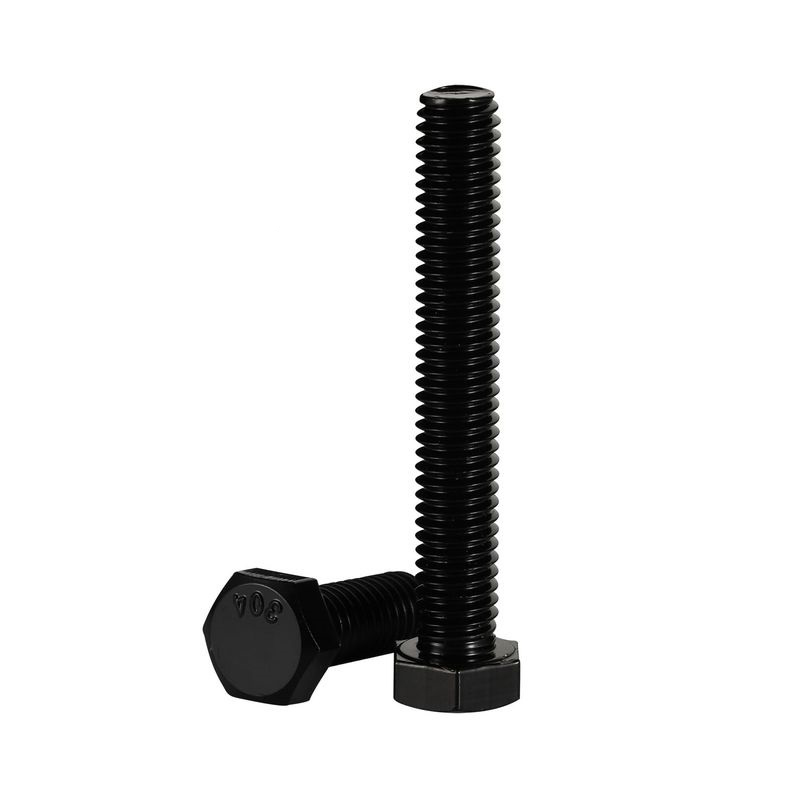 SS304 A2-70 Black Oxide Full Thread Hexagonal Bolt DIN 933
 Contactus Information
 Oratio